
|
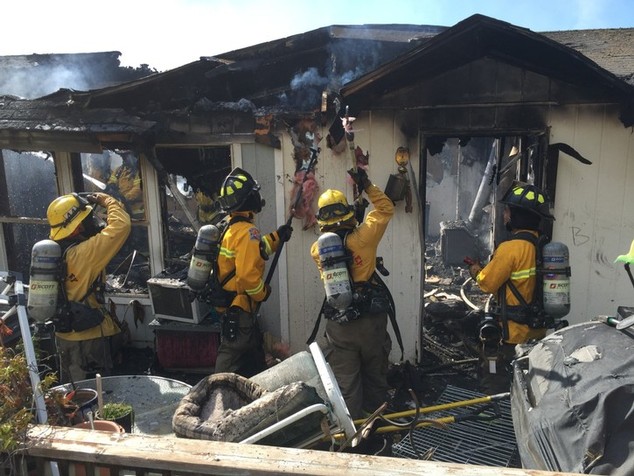
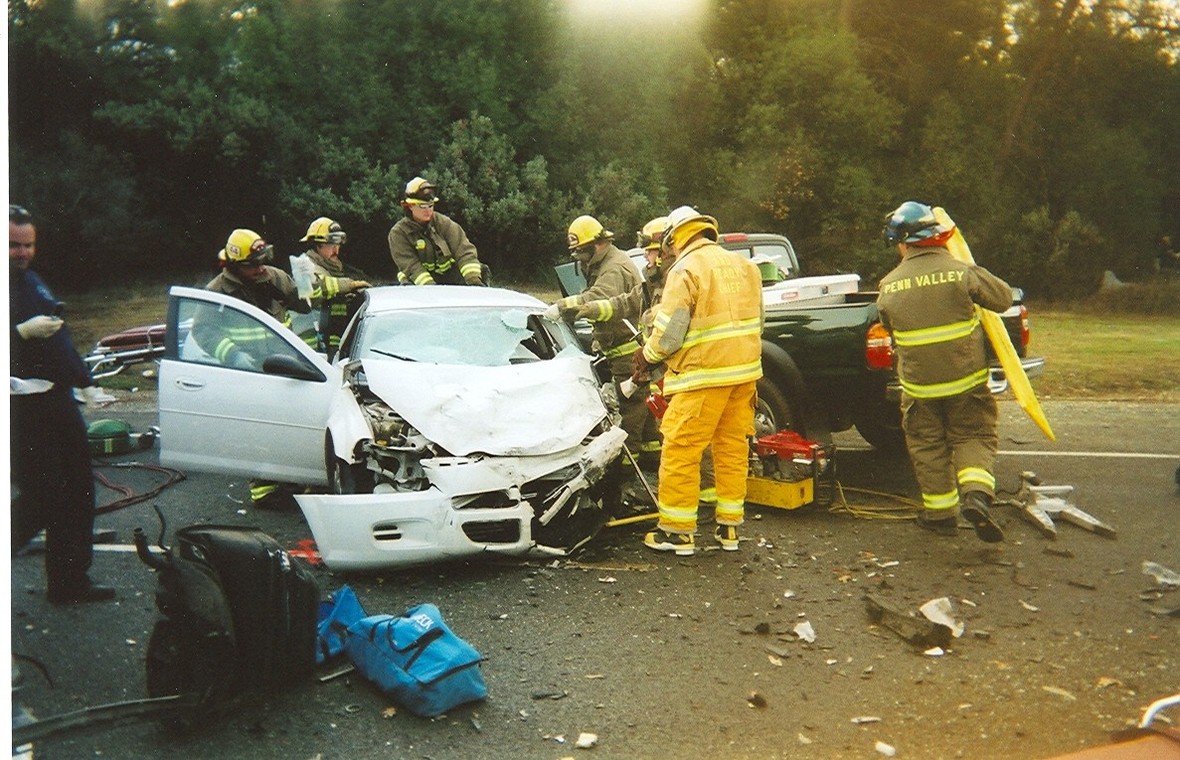
Fire Suppression The primary goal of fire suppression is to protect life, property and the environment. The district is staffed with well-trained teams with highly specialized skill sets to meet the wide ranging demands of the district. Because our firefighters are often the first responders to people in need, District firefighters provide many other valuable services to the community in addition to fire suppression, including emergency medical treatment and transport, technical rescue services and response to hazardous material releases. Working structure fire responses typically include (Type 1) structure engines, a water tender truck, a battalion chief and an ALS ambulance. Firefighting efforts in the wildland areas of the district require different techniques, equipment, and training from structural firefighting operations. Wildland responses include (Type 1) structure engines, (Type 3) wildland engines and water tenders often working in conjunction with firefighting aircraft and hand crews from CAL FIRE to protect the wildland-urban interface areas of the district where residential neighborhoods meet with natural wilderness areas. Under the general guidance of the Fire Chief the district is managed on a 24/7/365 basis by three battalion chiefs. Serving the community around the clock, Penn Valley Fire personnel are on duty and at your service every second of every day. |
 |
|
|
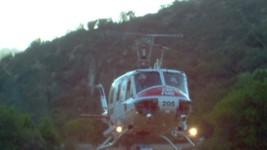
Emergency Medical Services The Penn Valley Fire Protection District provides emergency medical services to Western Nevada County. The delivery of high quality, effective patient care is facilitated by an EMS team, is our highest priority. The Penn Valley Fire Protection District operates three fully equipped Advanced Life Support (ALS) ambulances daily. It is the only fire protection district in Nevada County who provides this service. The District is a participant in Nevada County's automated EMS patient care record (PCR) system. The software is programmed to capture patient data upon receipt of a 9-1-1 call and provides enhanced capabilities for monitoring and evaluating patient care. The District is committed to the protection of an individual's private patient healthcare information. The delivery of exceptional EMS in a partially rural area often involves the utilization of ALS helicopter service providers. The District routinely works with these providers to rapidly transport critical patients from remote locations or to avoid delays in transport. Some areas such as Mooney Flat and Big Oak are so large or remote that an ALS helicopter is part of the initial EMS dispatch. Extensive in-service training is conducted with helicopter service providers to ensure the safety of patients, District personnel, and helicopter crews. |

 copyright © 2026